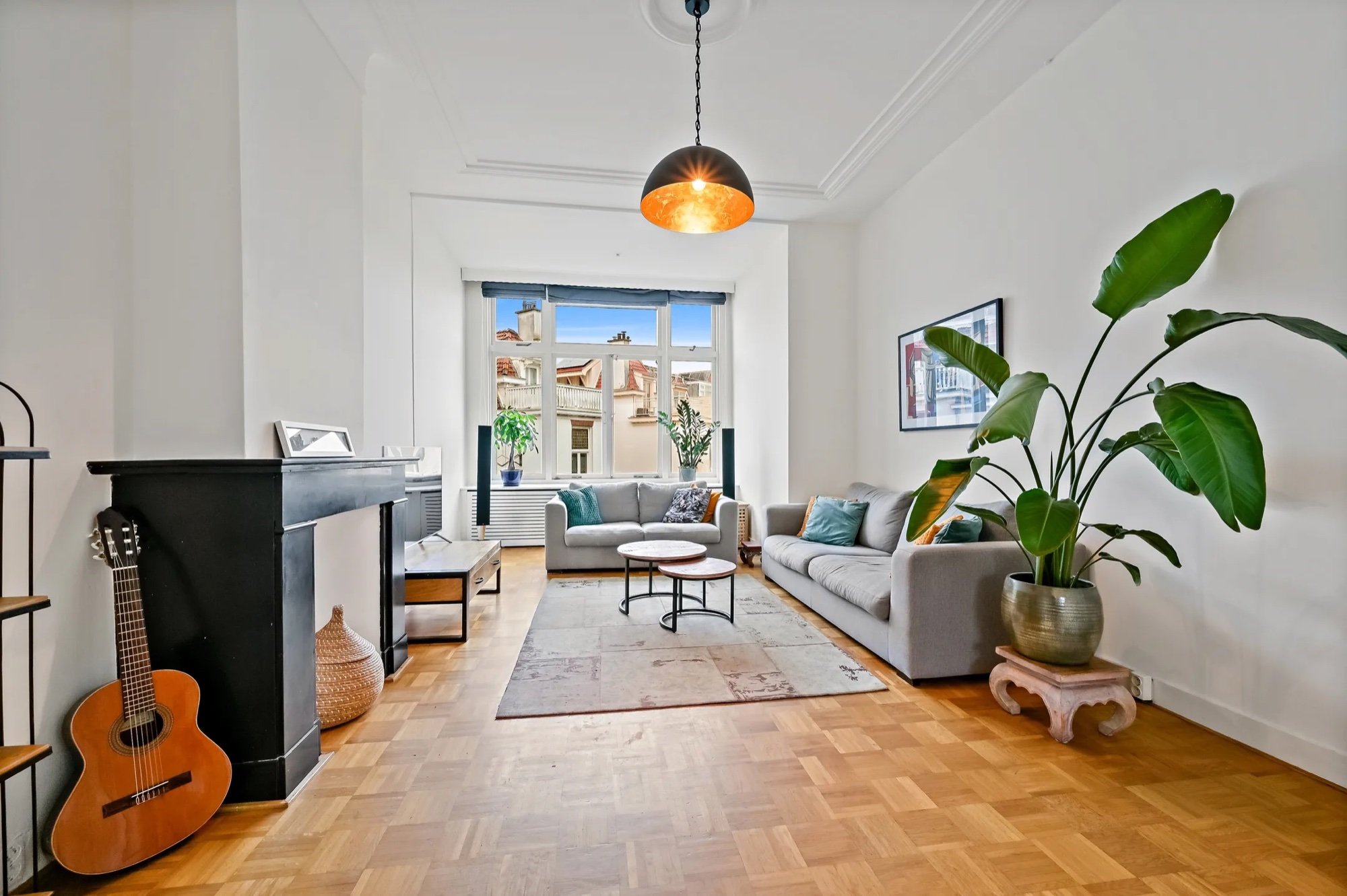

What to Do Before You Ring the Doorbell
Head into the neighborhood 15 minutes early. How busy are the streets, where are the trash bins, and what’s the parking situation like at this time of day? You usually view a home during a quiet time on a weekday, even though you’ll be living there on Friday evenings and Sunday mornings as well. Those ten minutes beforehand will tell you more than the floor plan ever could.
Also, review the brochure beforehand and jot down your questions. Year built, energy rating, leasehold status, year of the last roof renovation: these are facts you’ll want to be able to verify on the spot rather than look up later.

Pay attention to the structural signs
Look in the utility closet at the circuit breaker panel and the electrical connections. If there is still old wiring with fuses, an upgrade is likely needed. In the attic, check the underside of the roof sheathing for light spots and moisture stains, and check the crawl space if possible.
Use your sense of smell, too. A musty odor in a ground-floor apartment indicates moisture that has been covered up with paint. Ask about the condition of the exterior caulking and window frames, and check to see if the paint on the south-facing wall is peeling. These are the areas that will cost you the most money after you buy the property.
Ask about the things that aren't in the brochure
Why are the owners selling? How long has the property been on the market, and has the asking price been adjusted yet? Are there any planned improvements by the homeowners’ association, and what is the balance in the reserve fund? For apartments, the latter is often a key factor in unexpected costs.
Be sure to ask about the neighbors and noise as well. In pre-war buildings, the floors are thin and sound travels far. The selling real estate agent isn’t required to disclose everything on their own initiative, but they are obligated to answer a direct question honestly. So be sure to ask that question.
Looking for the right
home in The Hague?
We have in-depth knowledge of the market and work closely with you from the very first viewing.
- With no obligation whatsoever
- Response within 24 hours

Take notes and plan a second round
After three viewings in a single Saturday, your impressions will all be jumbled together. Take a few photos of the technical details for each home and, right after the viewing, write down three pros and three cons. This will serve as the basis for your decision and your offer later on.
If you like a home, always schedule a second viewing—preferably at a different time and with someone who can take a fresh look at it. We always accompany you on that second visit and go over the specific points that stood out during the first viewing.
